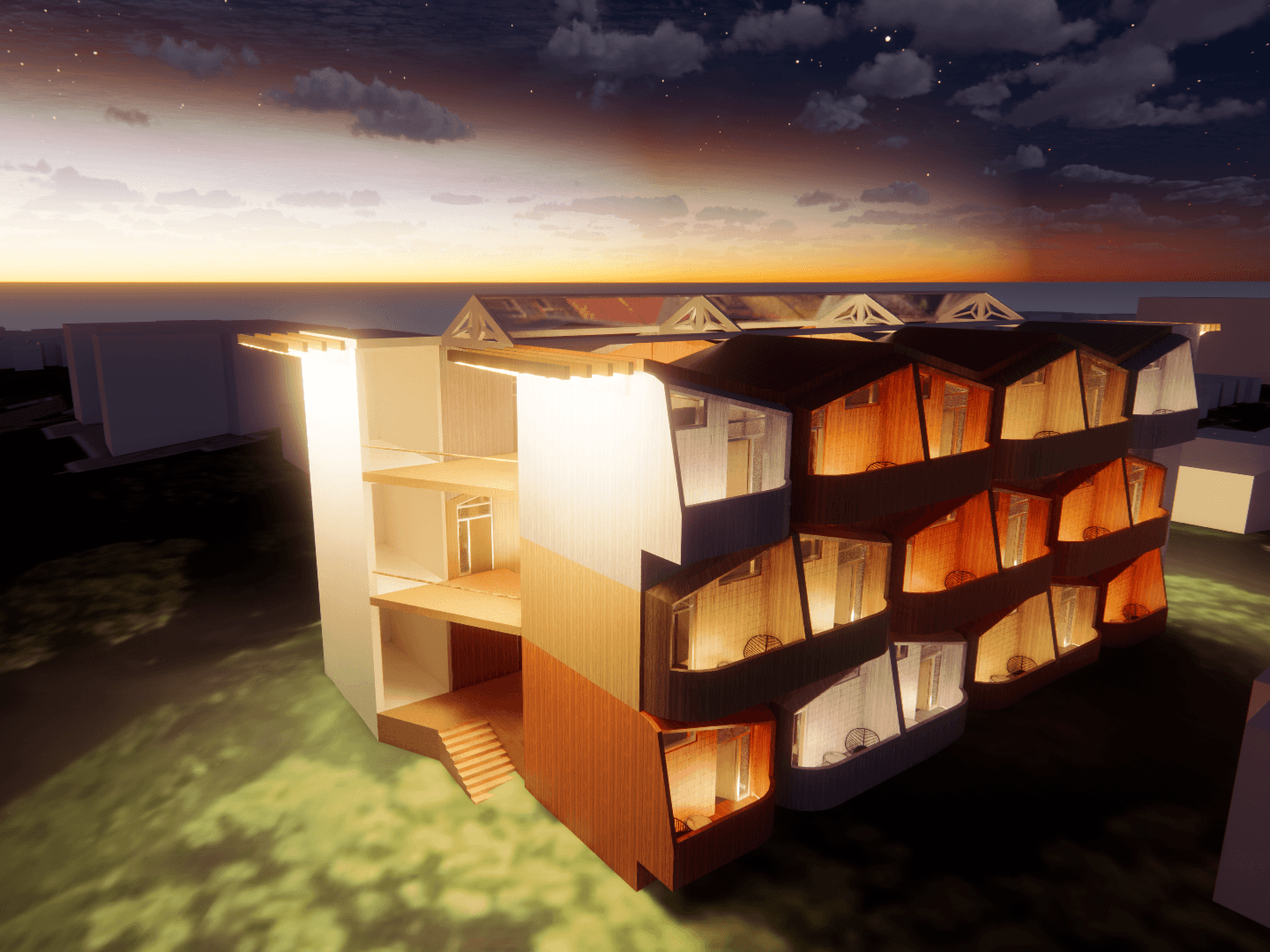
ACSA Timber in the City
Project overview
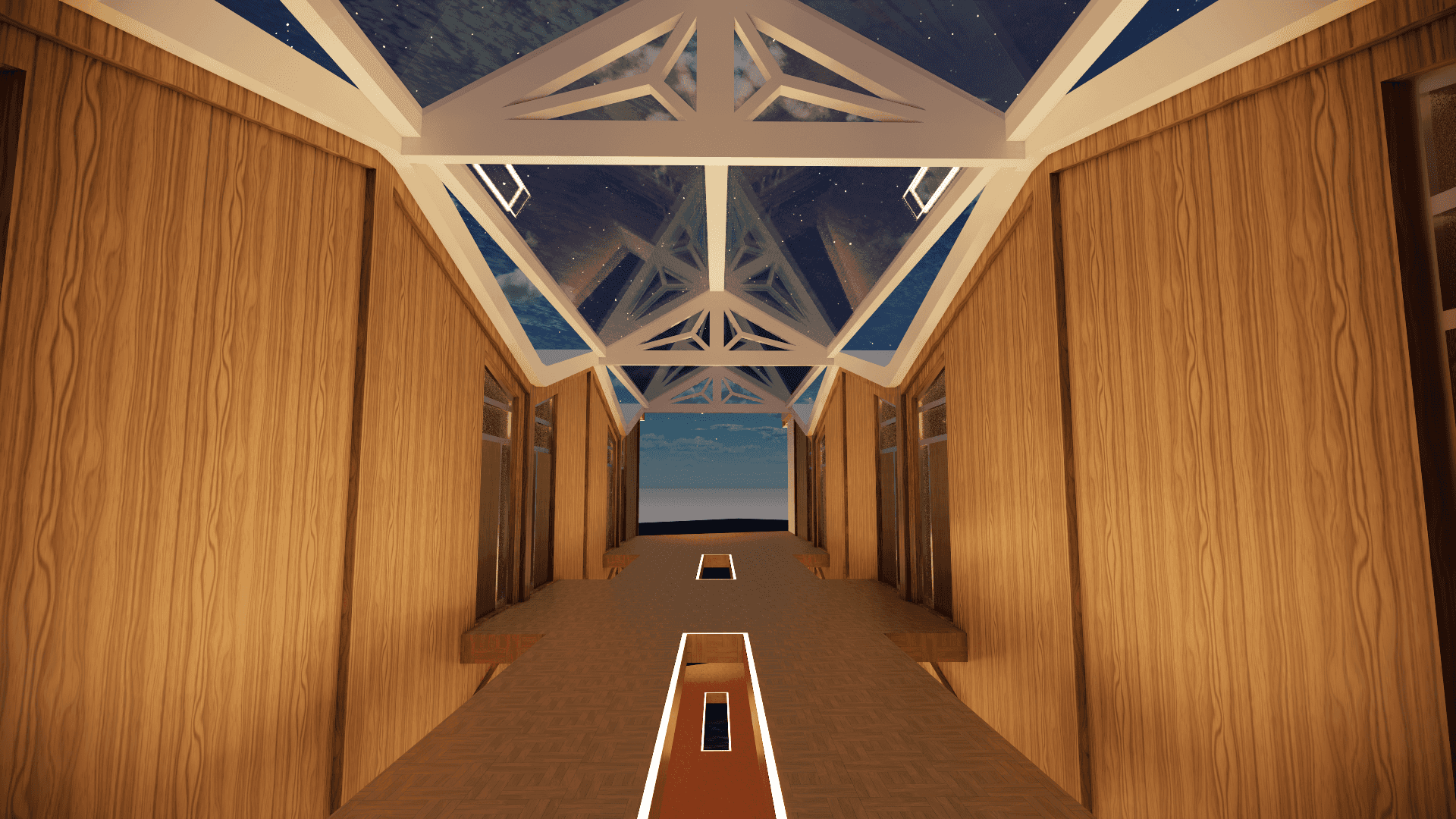
A modular residential concept exploring the potential of mass timber in urban housing. Designed for the ACSA Timber in the City 2026 competition, the project challenges conventional apartment construction by proposing a system that is sustainable, adaptable, and buildable with minimal waste — while delivering a living experience that feels anything but minimal.
Details
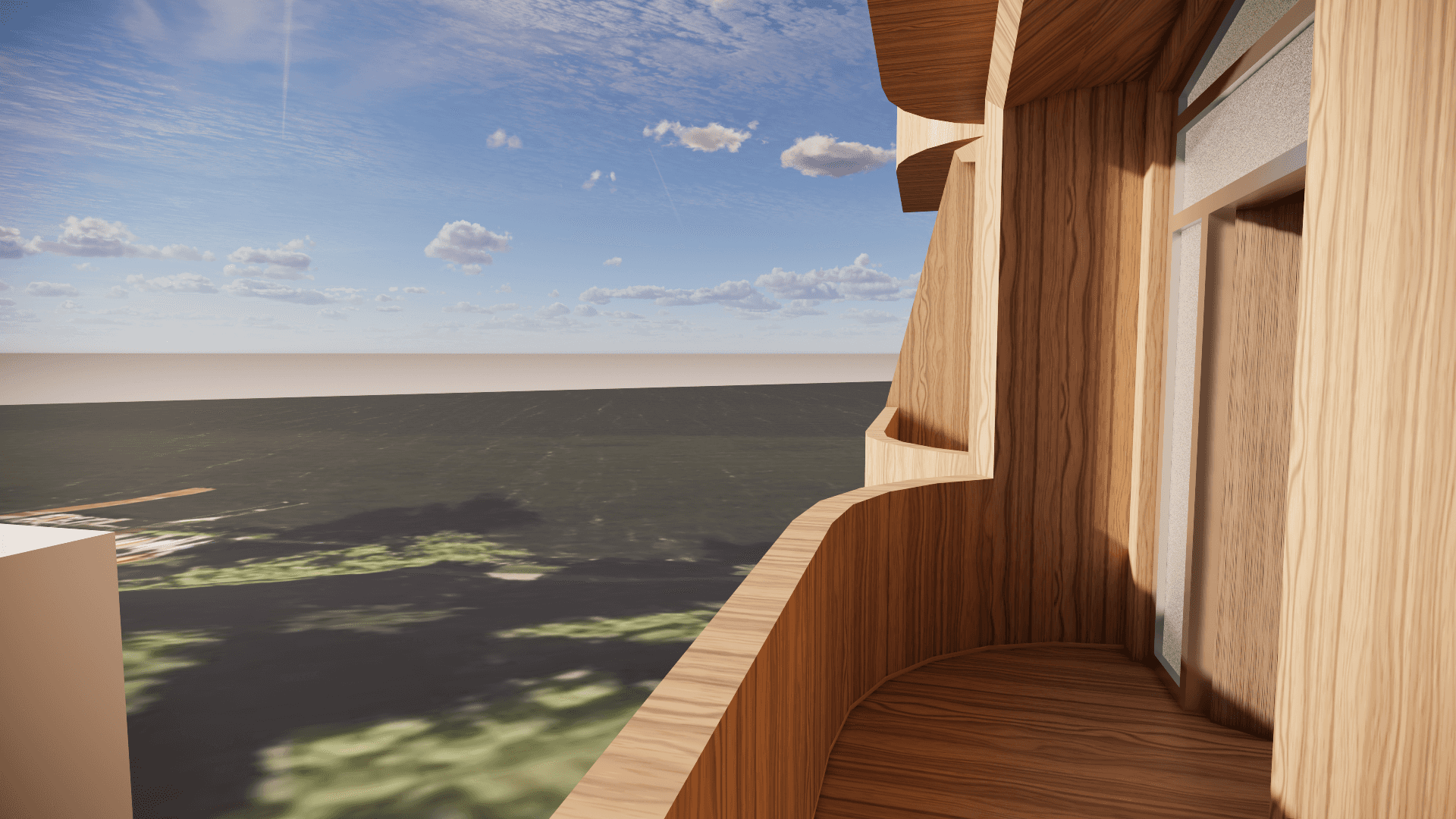
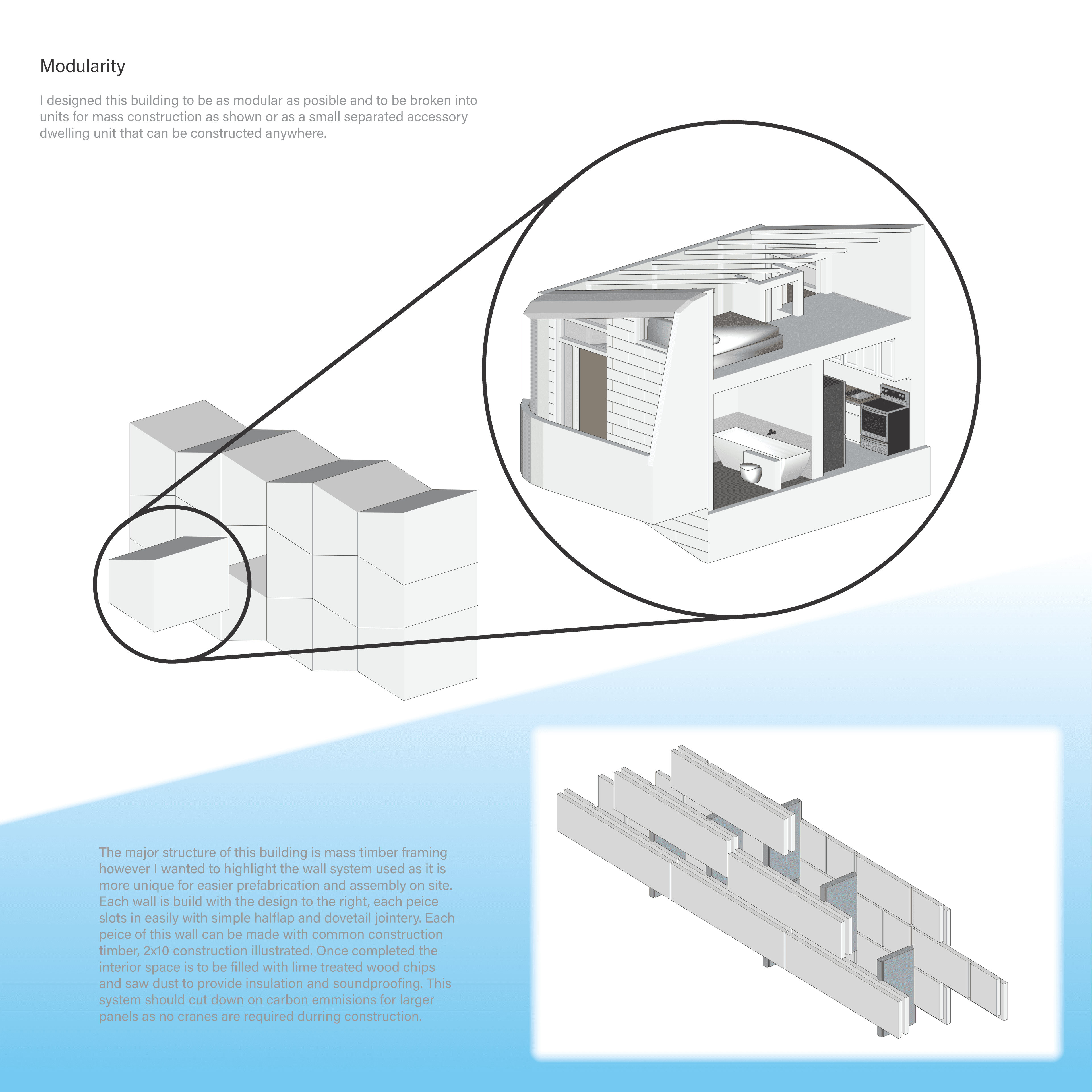
The System The building's primary structure is a timber frame, onto which modular wall panels are hand-assembled on-site using a dovetail joinery system — requiring no specialized equipment or adhesives. Panels are filled with treated sawdust insulation, a material that can be sourced directly from construction waste generated by other projects, closing a loop that most building systems leave open.
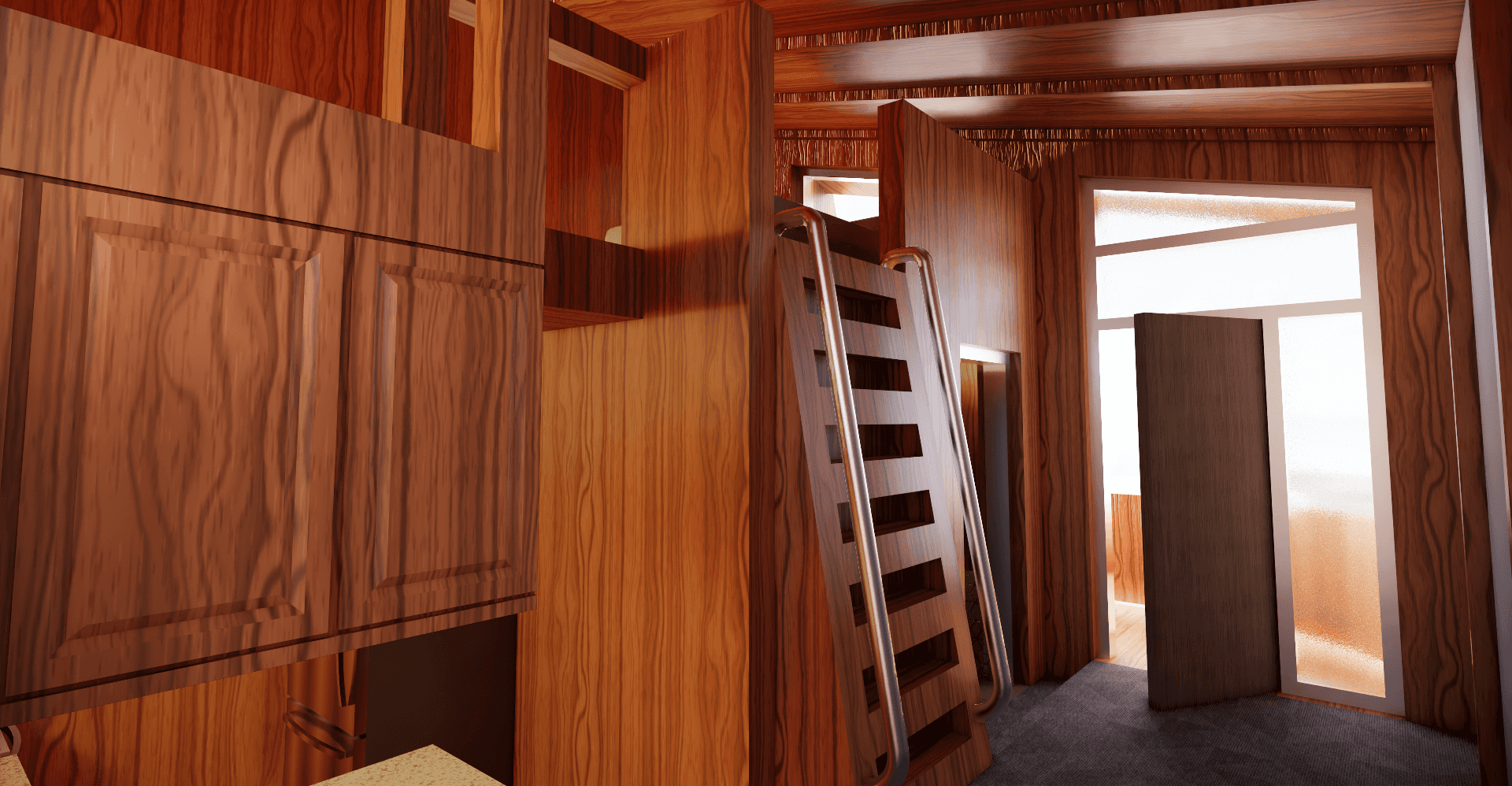
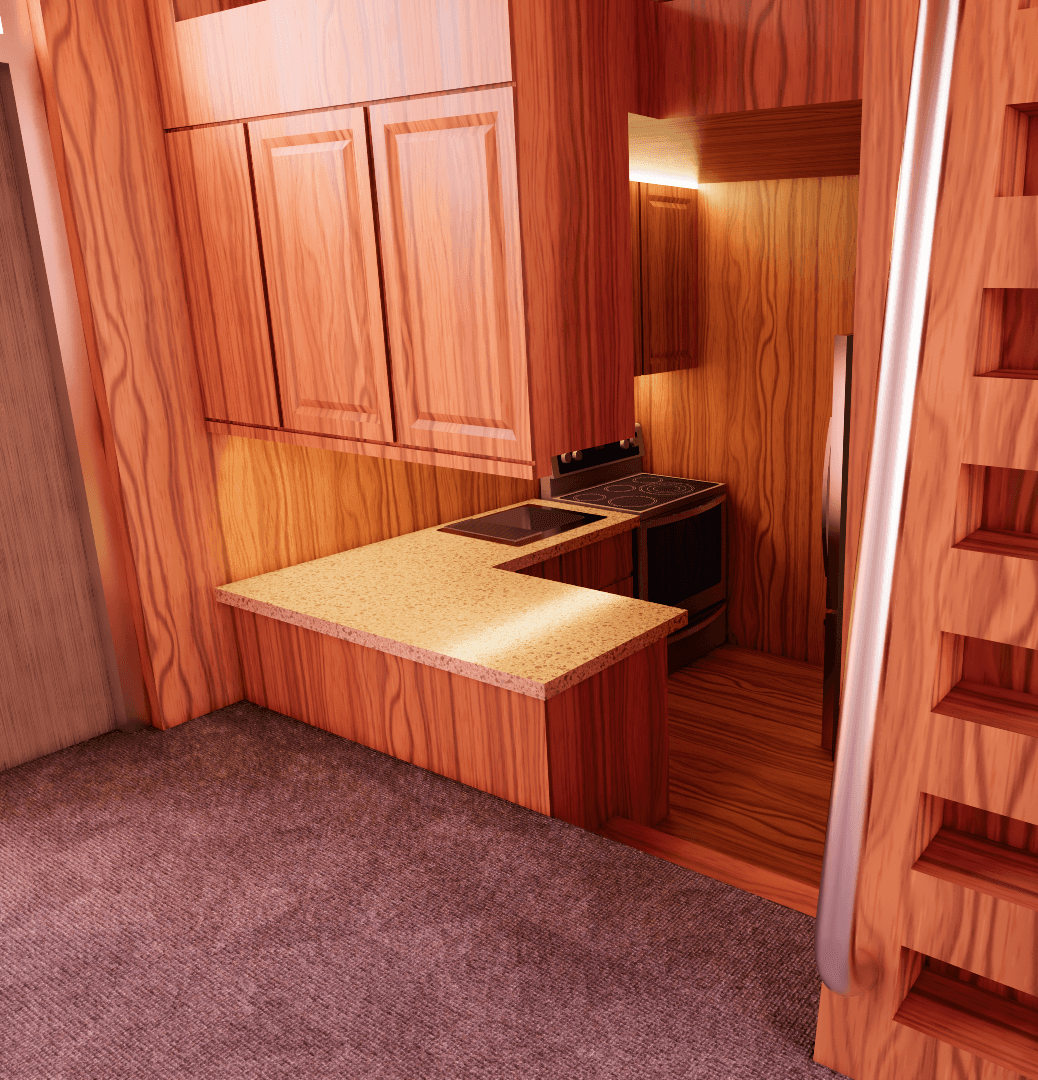
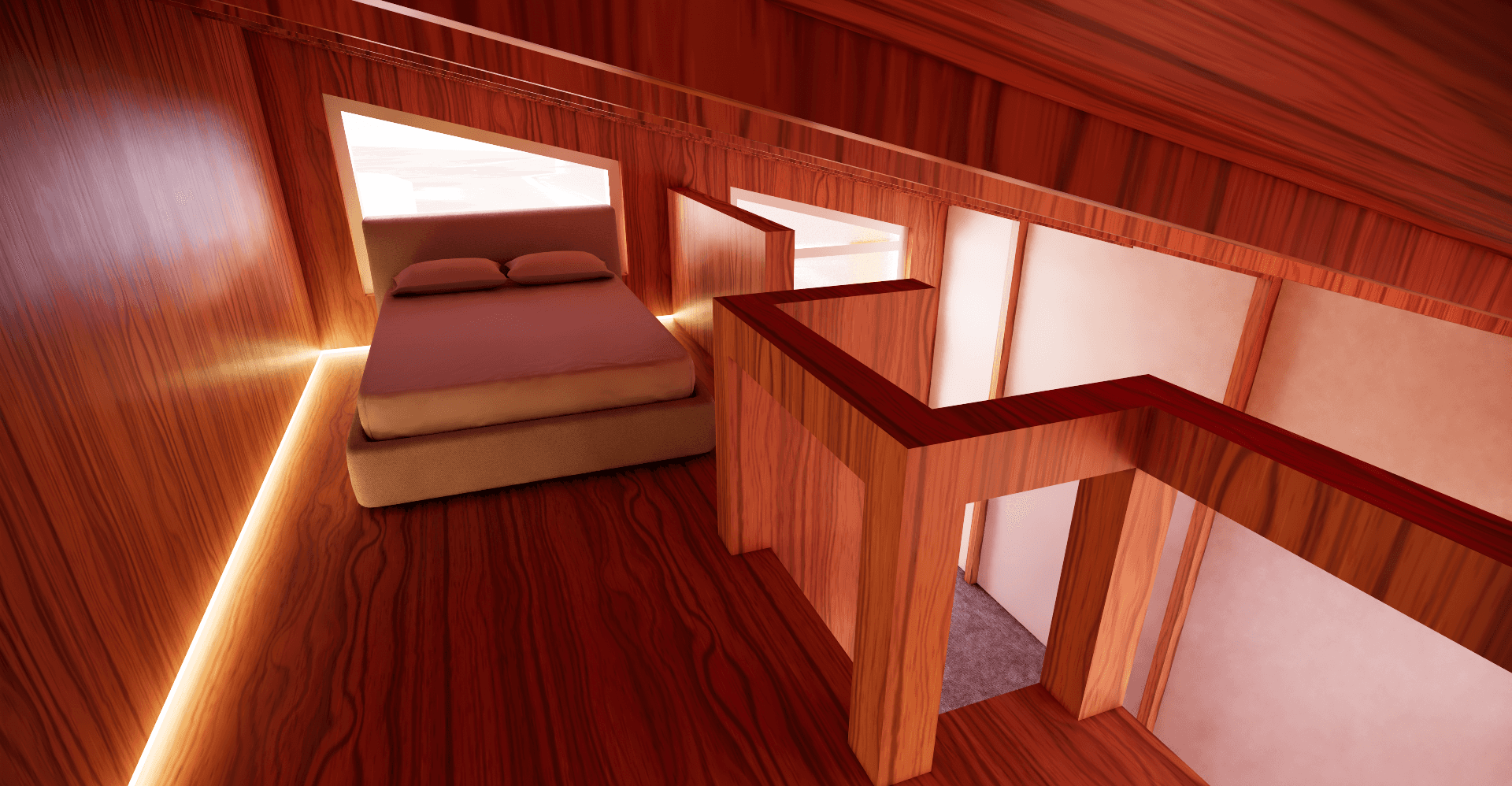
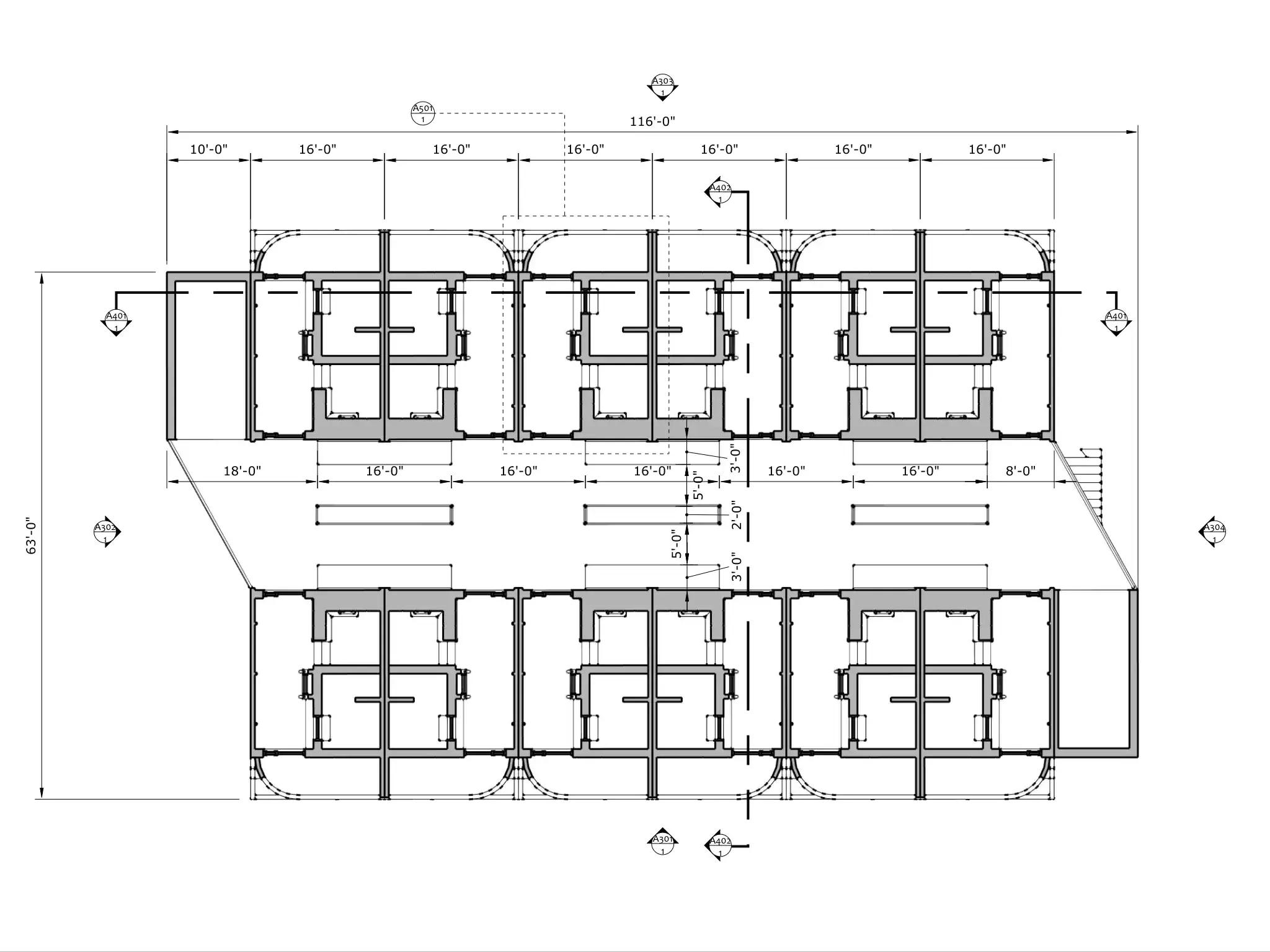
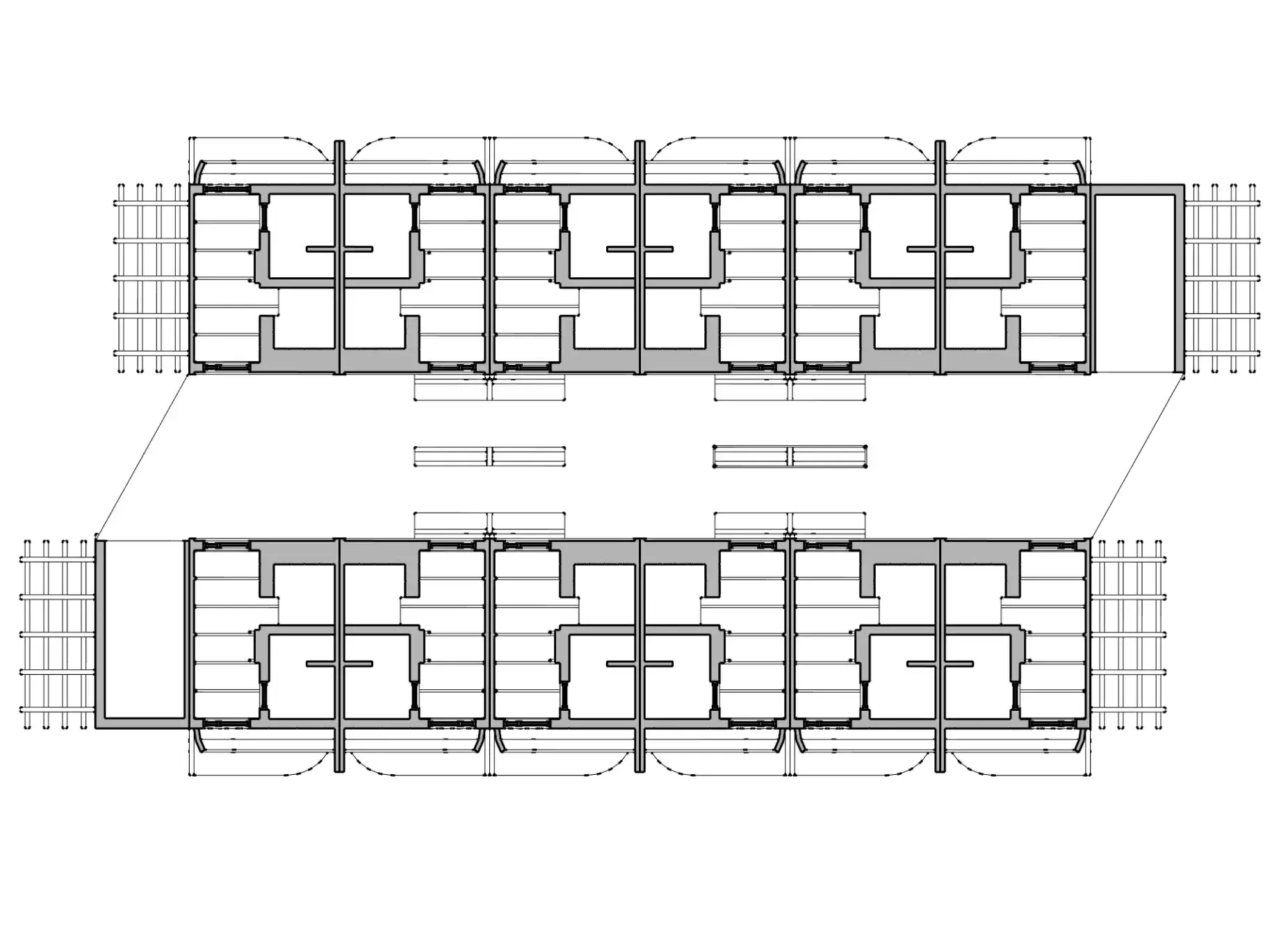
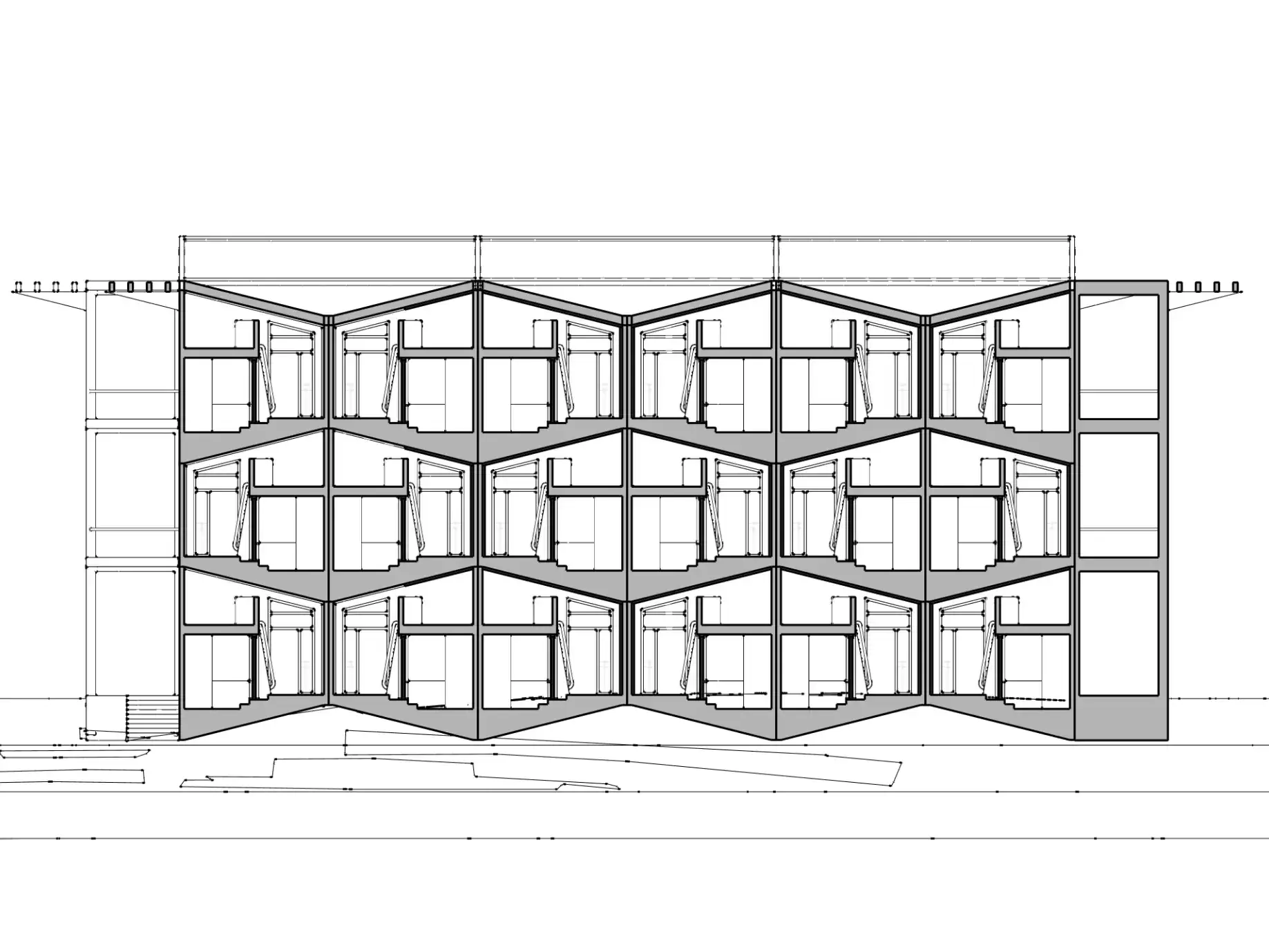
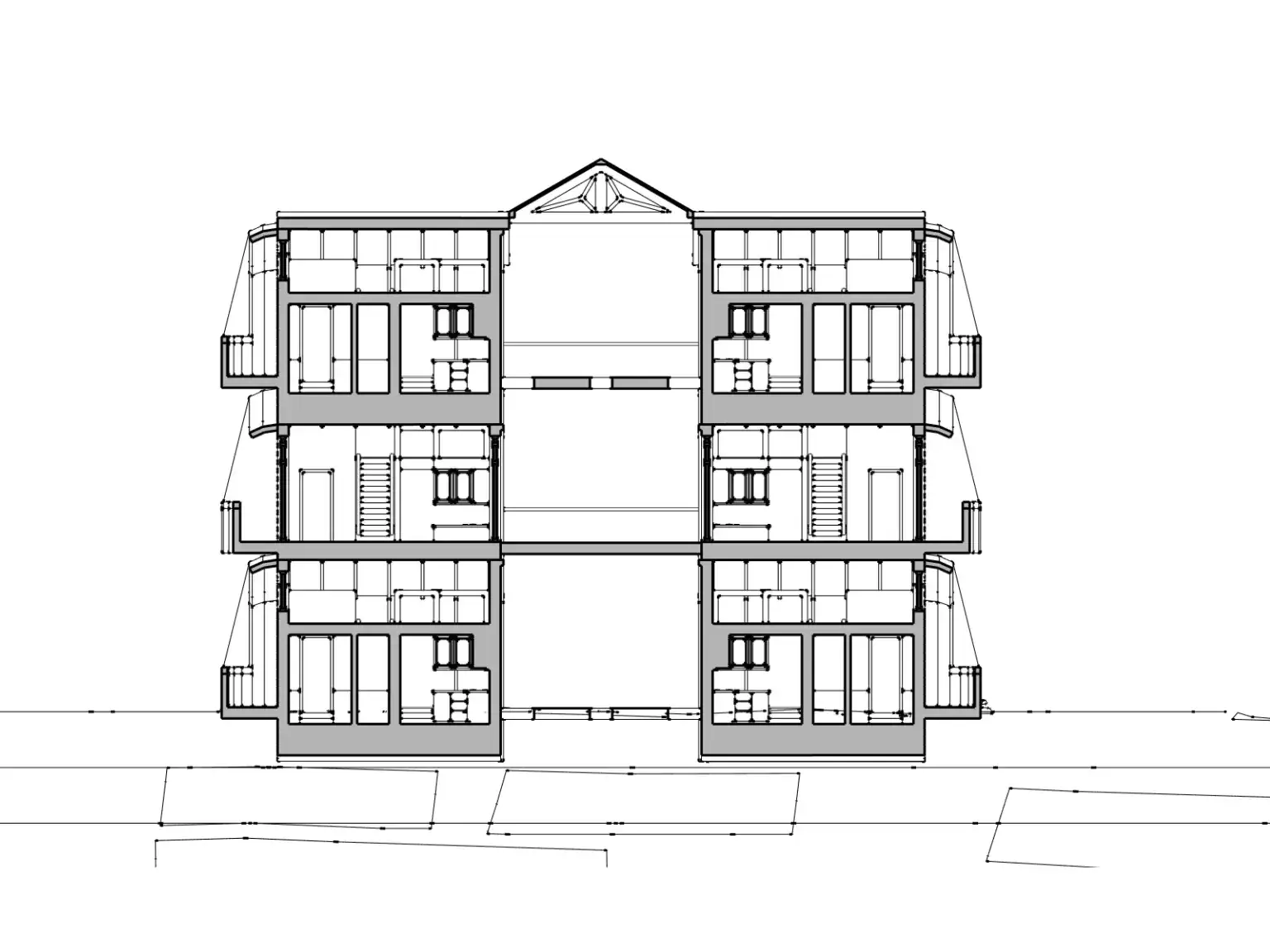
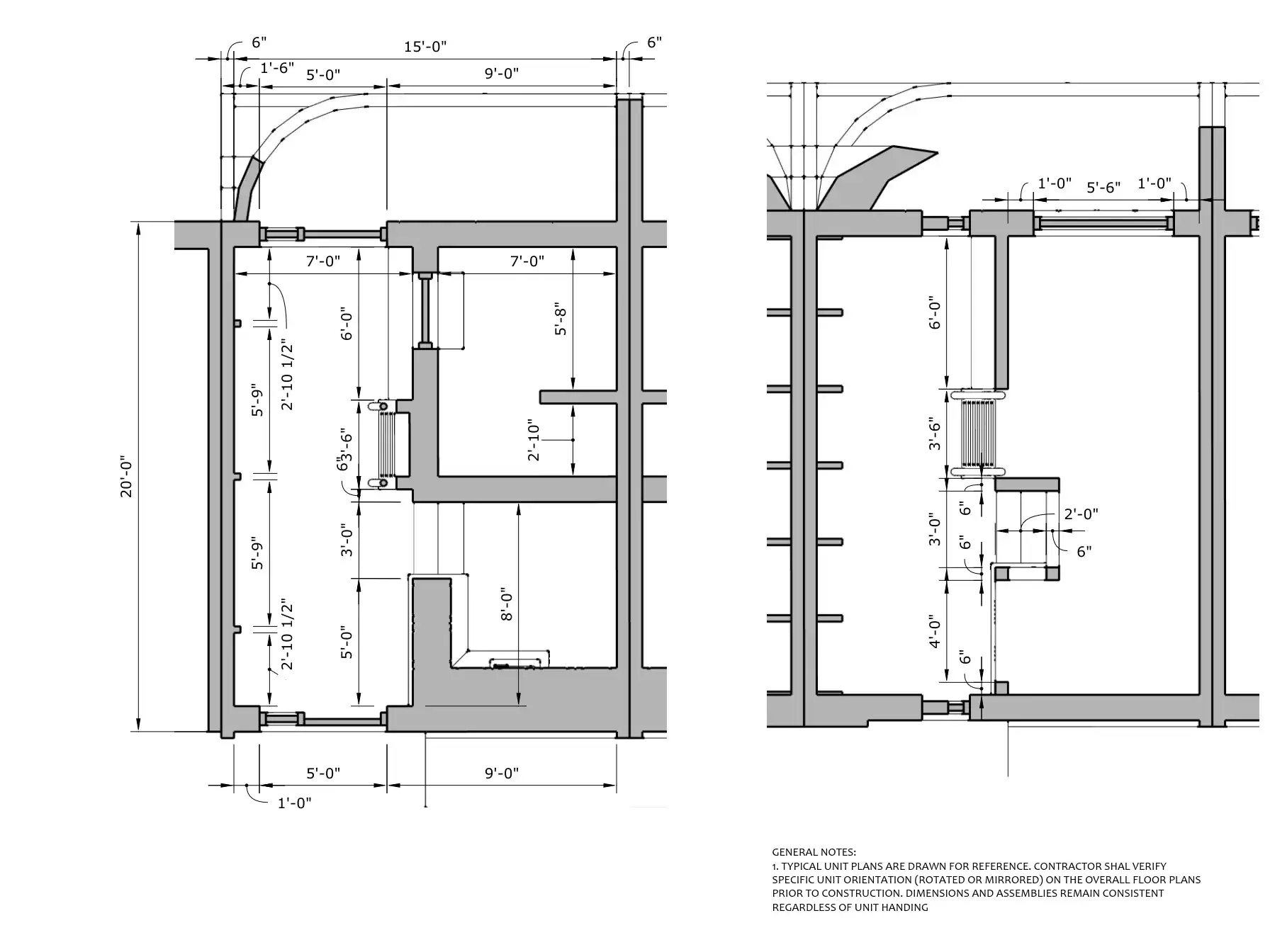
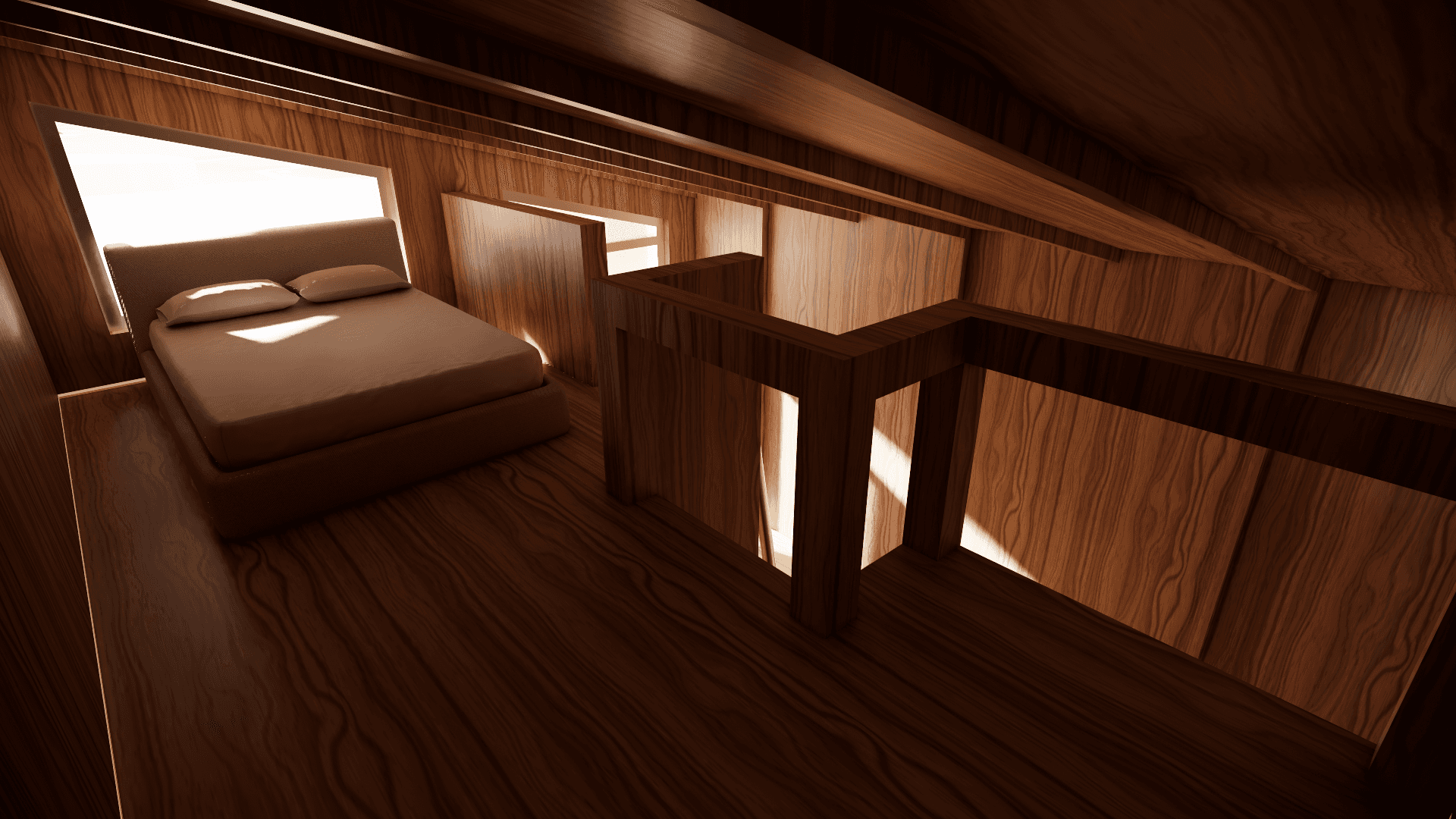
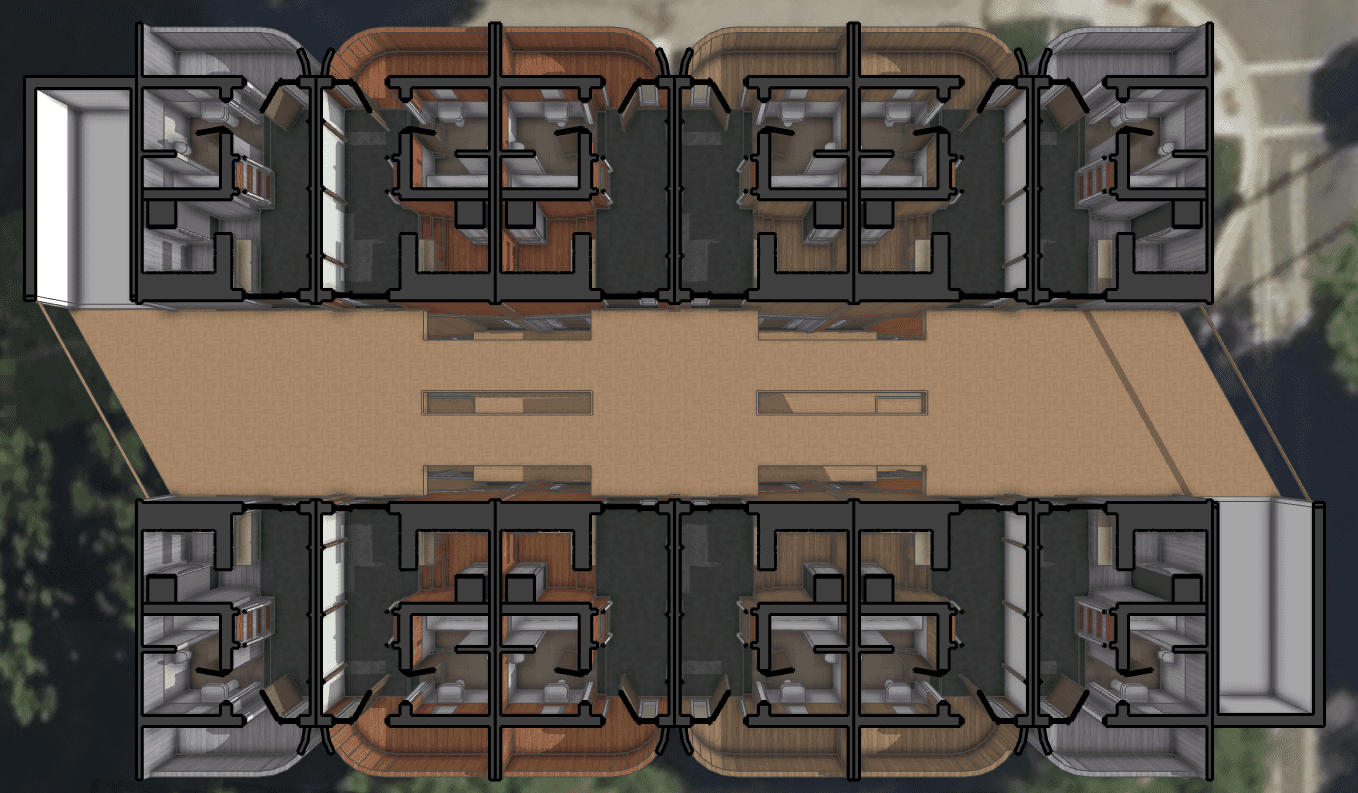
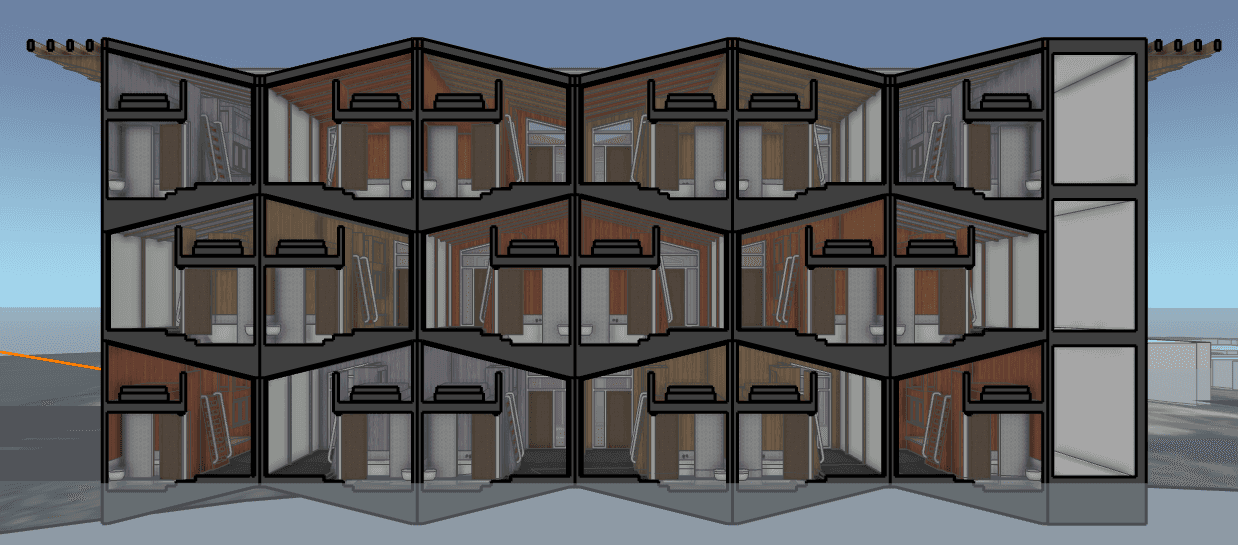
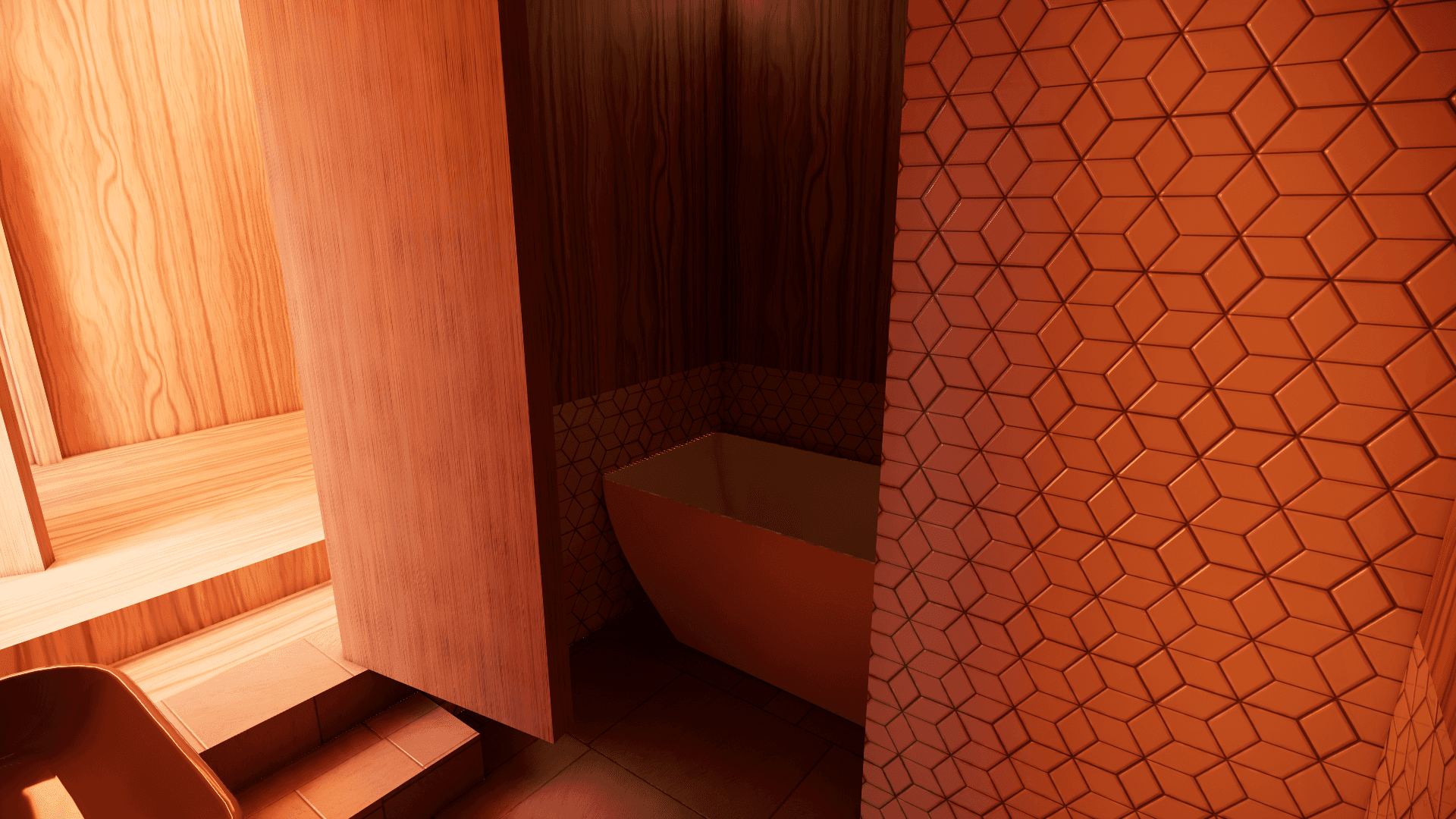
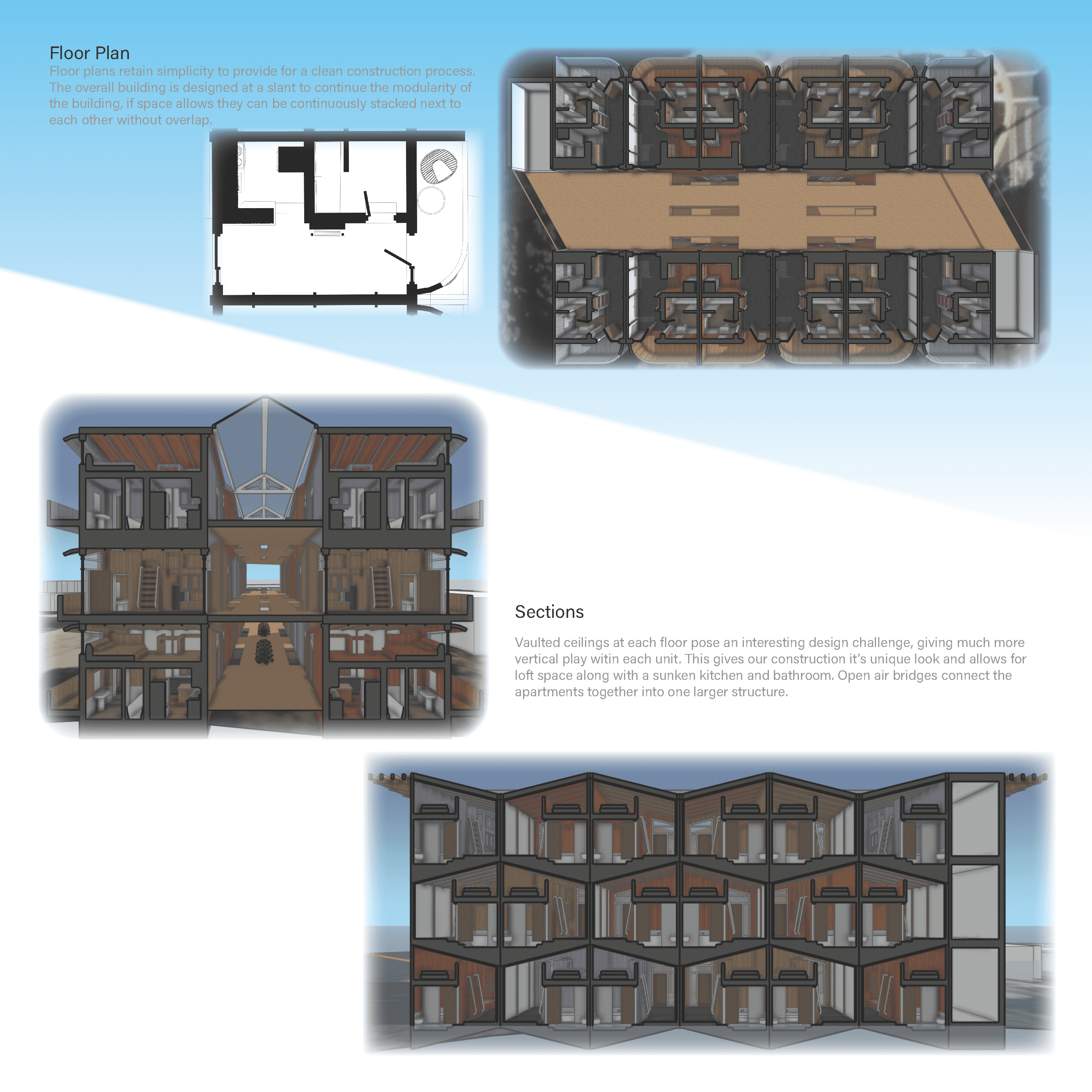
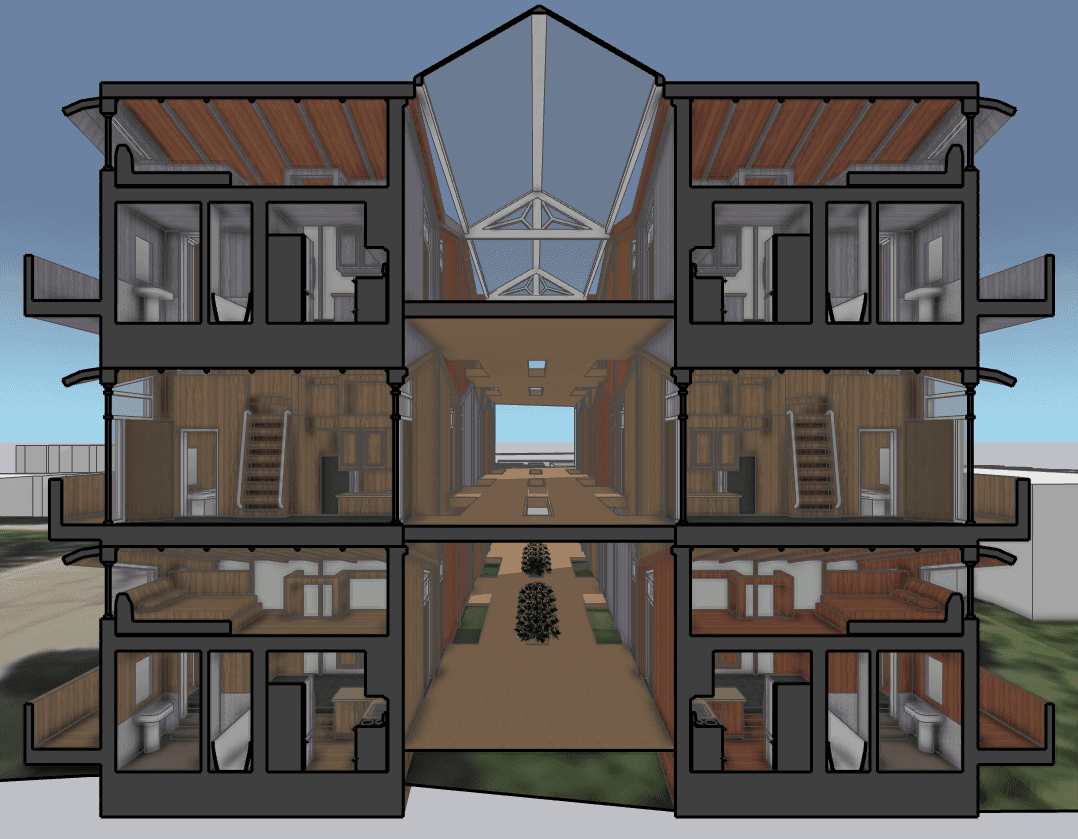
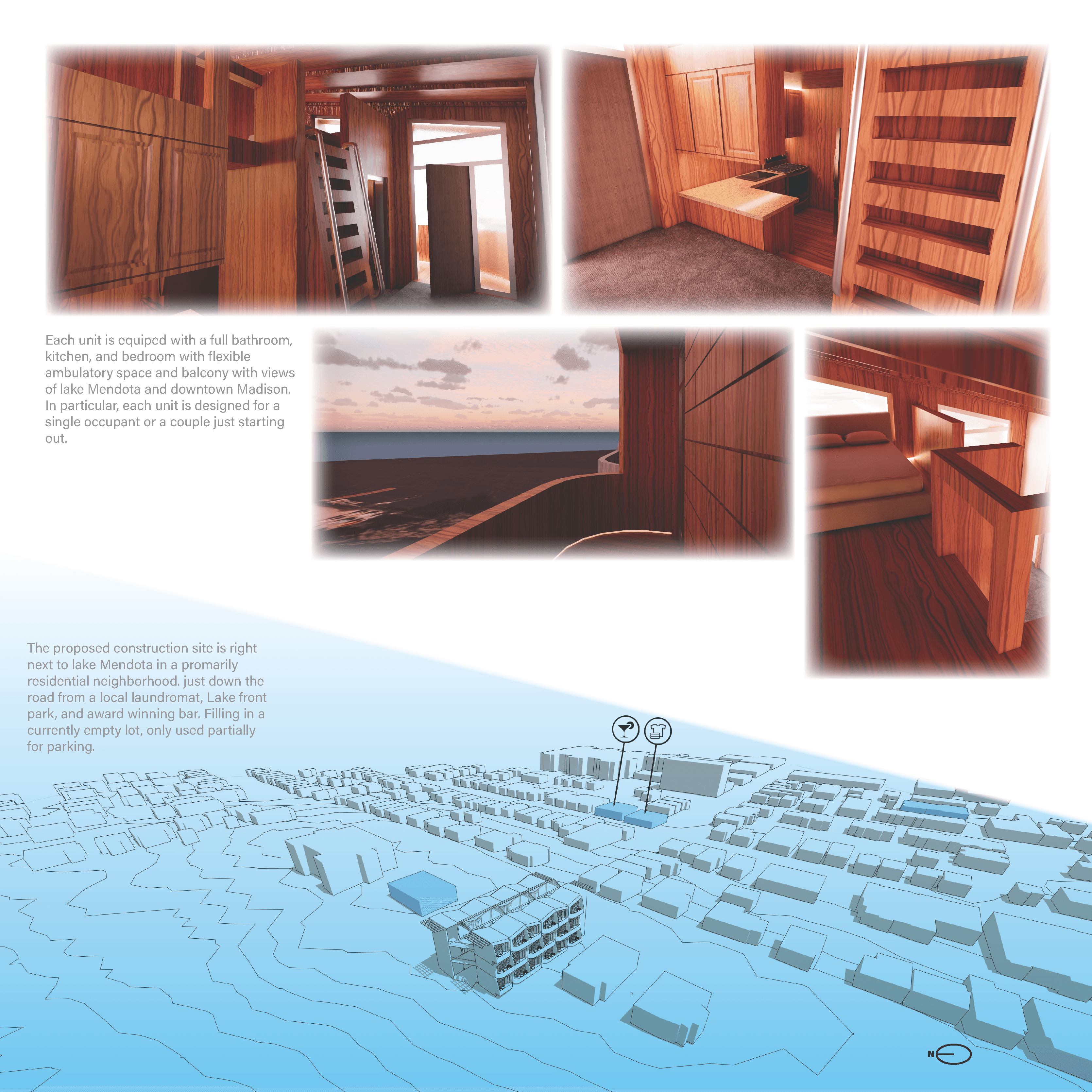
The Unit Each unit fits within a 16×25 foot planning grid, with a net interior footprint of 15×18 feet. To maximize usable space within that envelope, the design draws on the principles of Japanese micro-apartment living — incorporating a loft level and a sunken floor zone to create distinct spatial experiences without expanding the plan.
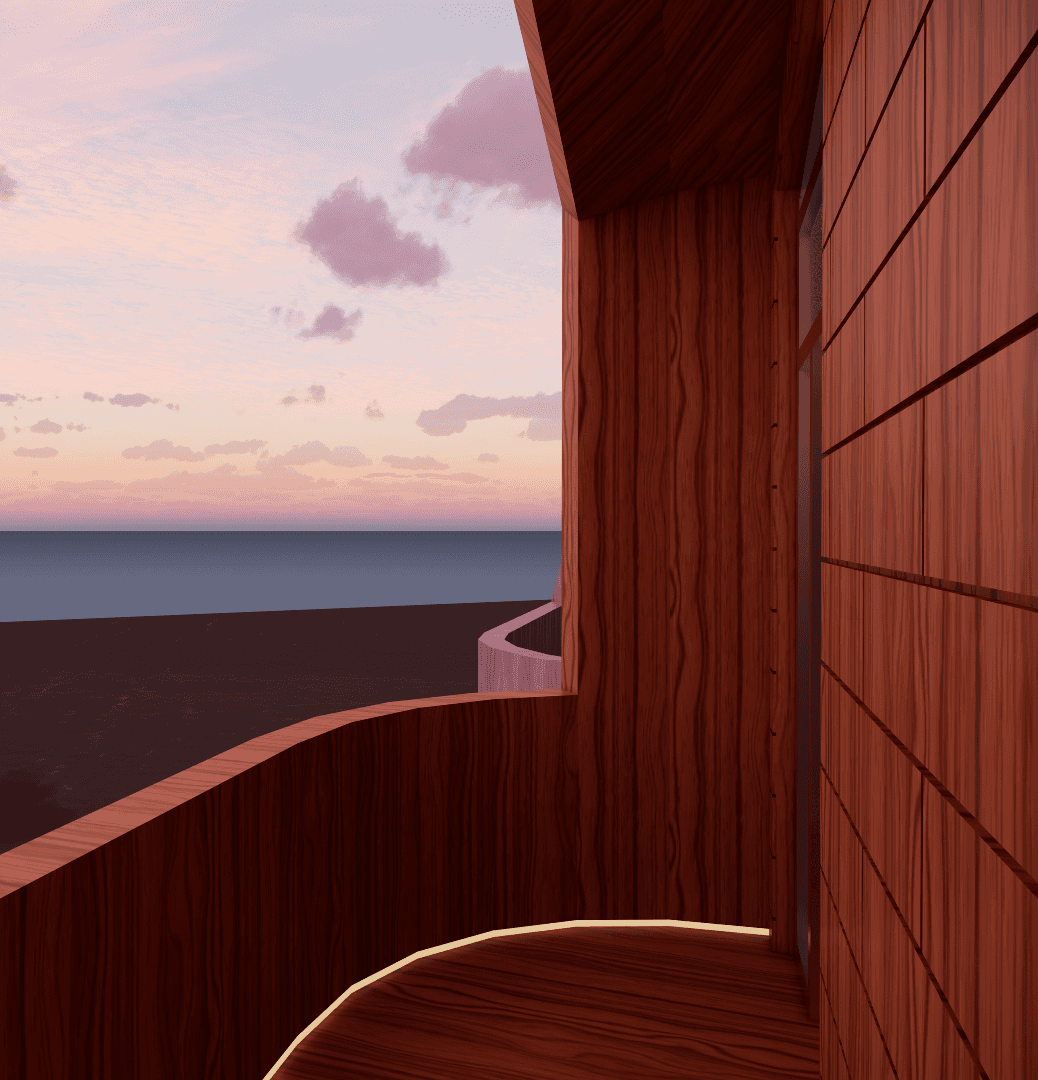
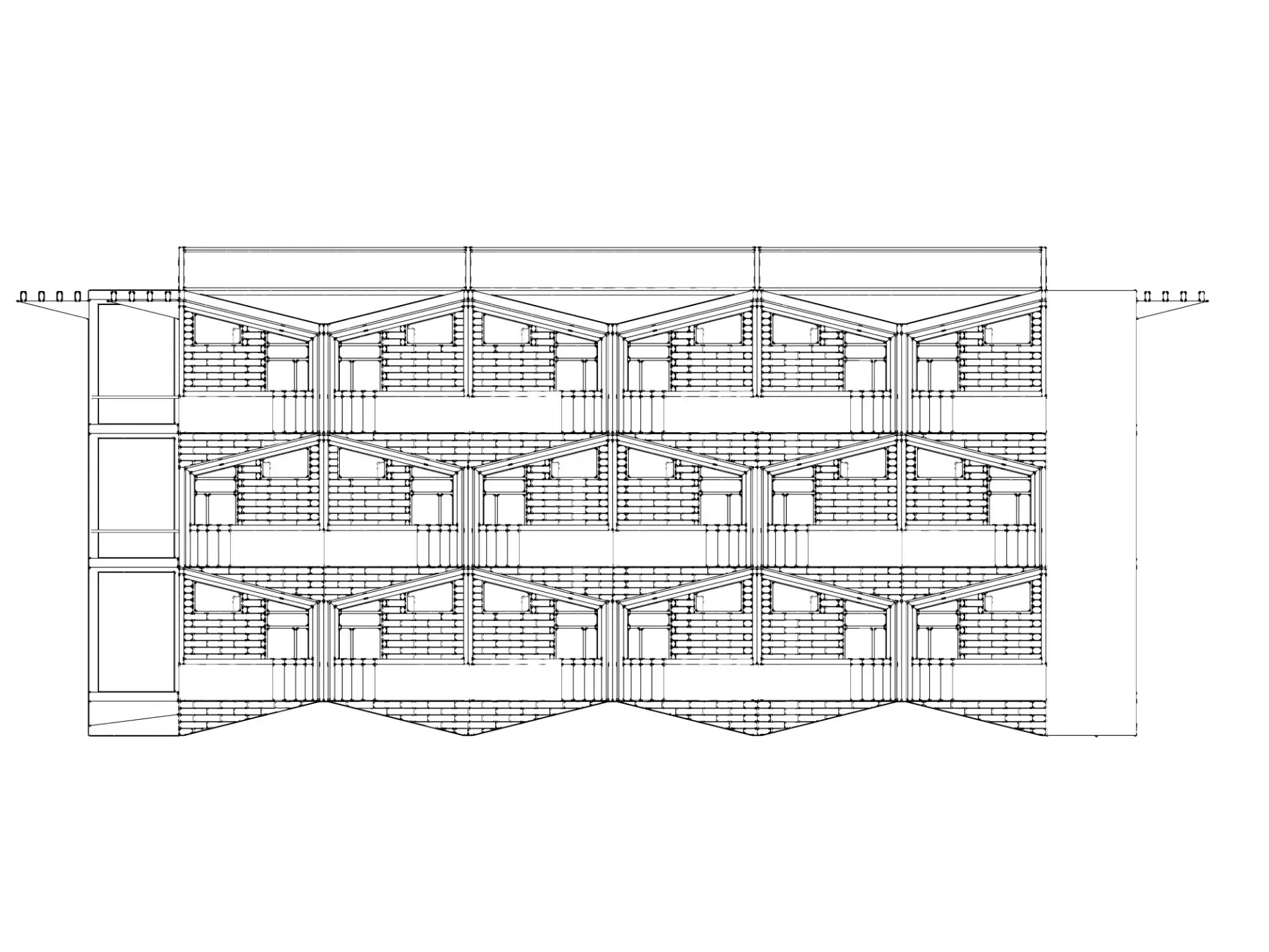
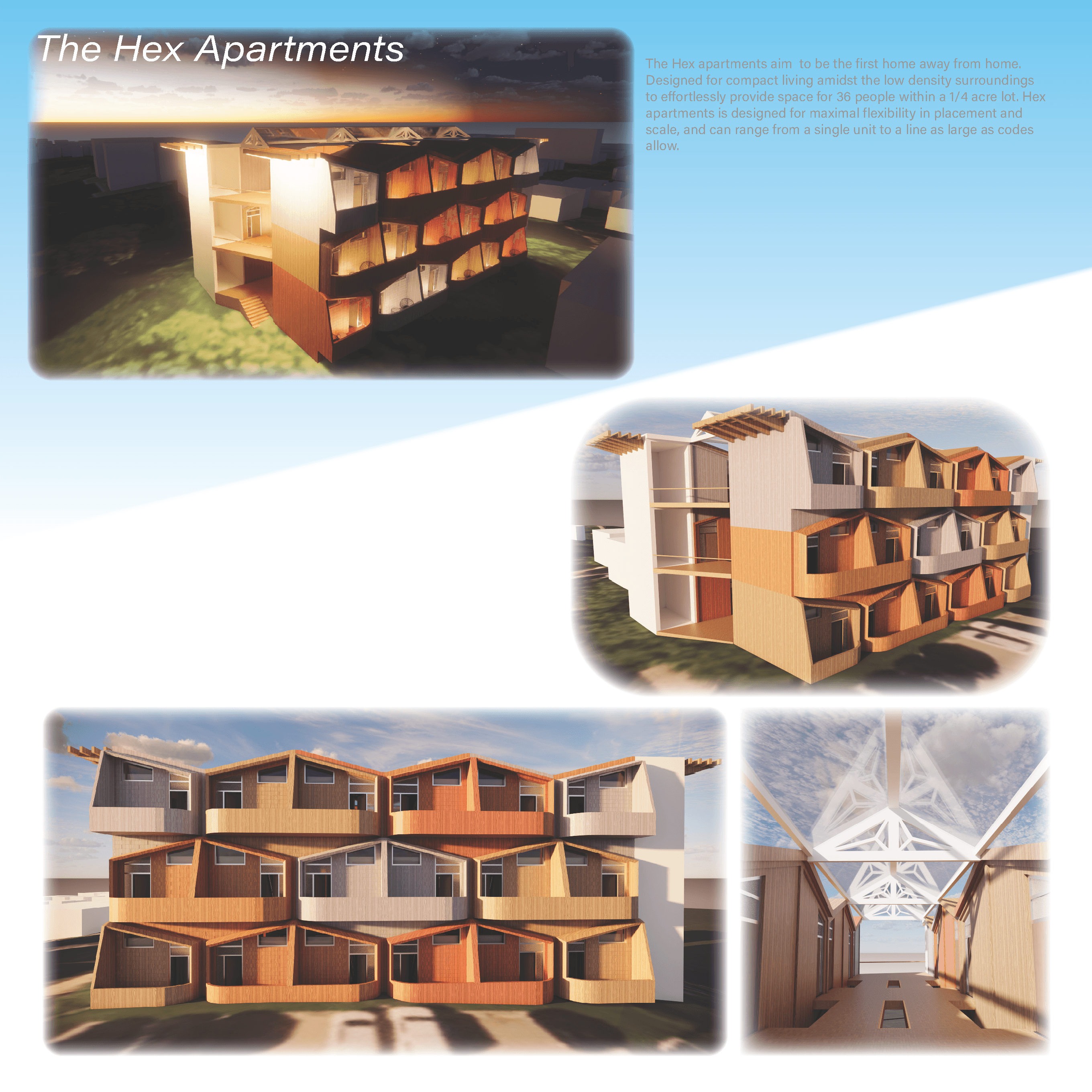
The Facade The incorporation of loft and sunken spaces within each unit creates an asymmetric vertical profile, with one side of the unit rising taller than the other. When a unit is placed alongside its mirror image, the two trapezoidal walls together form a hexagonal shape — repeated across the building's face to produce a striking geometric facade that emerges directly from the logic of the interior.
My sketches
Specifications
Area of site | 22,230 ft2 |
Date | 2026 |
Status of the project | Student Project |
Tools used | SketchUp, Enscape |